
01 / INSIGHT
WHEN GUTTERS OVERFLOW IN HARD RAIN.
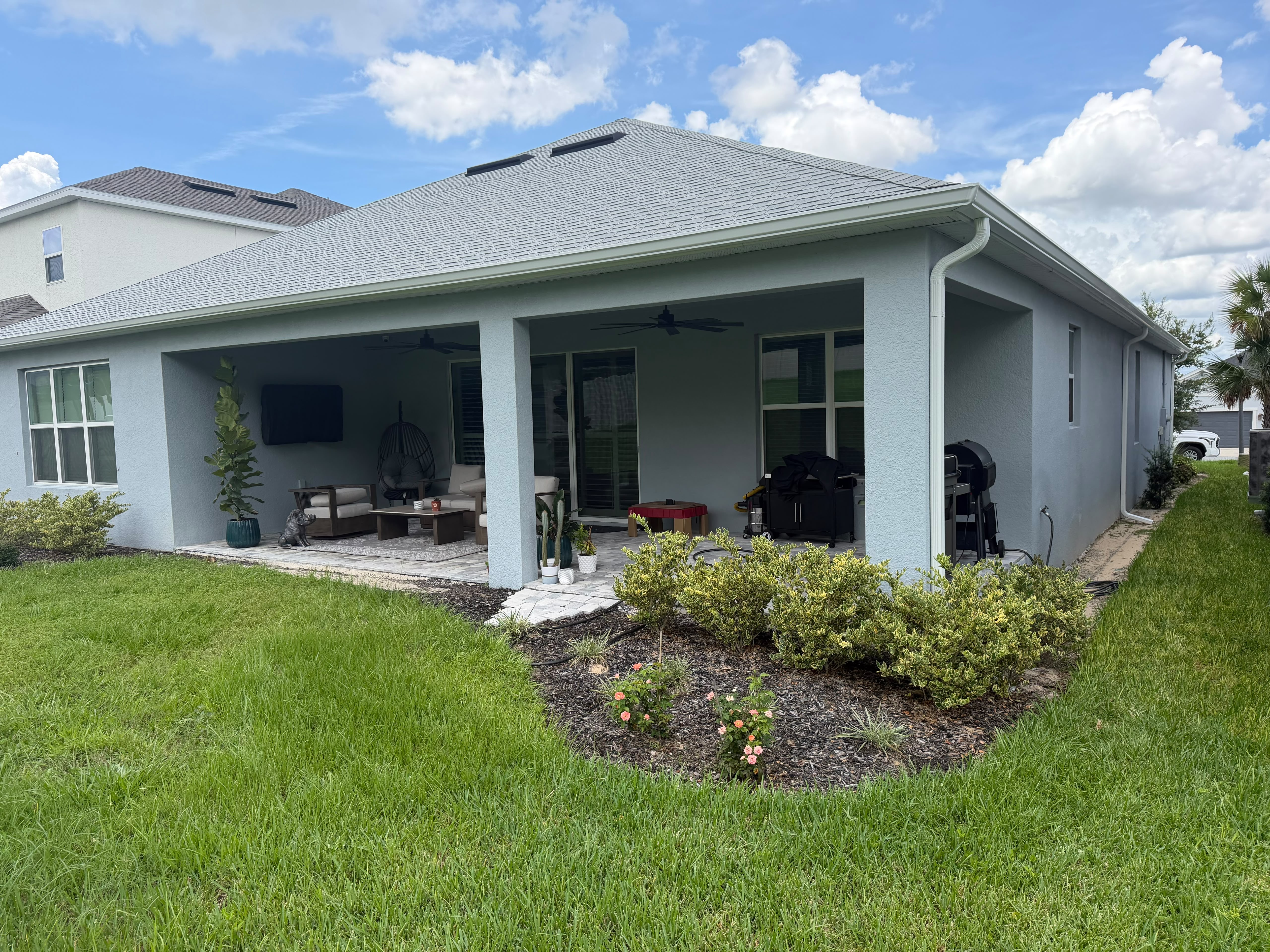
Overflow is not one problem with one answer. Sarasota rooflines often need a review of debris, pitch, outlet capacity, valleys, and the path water takes after leaving the gutter.
READ THE GUIDEClear, property-level answers to Sarasota-area roof-water questions. Start with what the roof is doing, where the water is landing, and what a complete route should evaluate.
Every article separates realistic roof-water management from broader stormwater and flooding issues. For a property-specific recommendation, request a free assessment.
Overflow is not one problem with one answer. Sarasota rooflines often need a review of debris, pitch, outlet capacity, valleys, and the path water takes after leaving the gutter.
READ THE GUIDE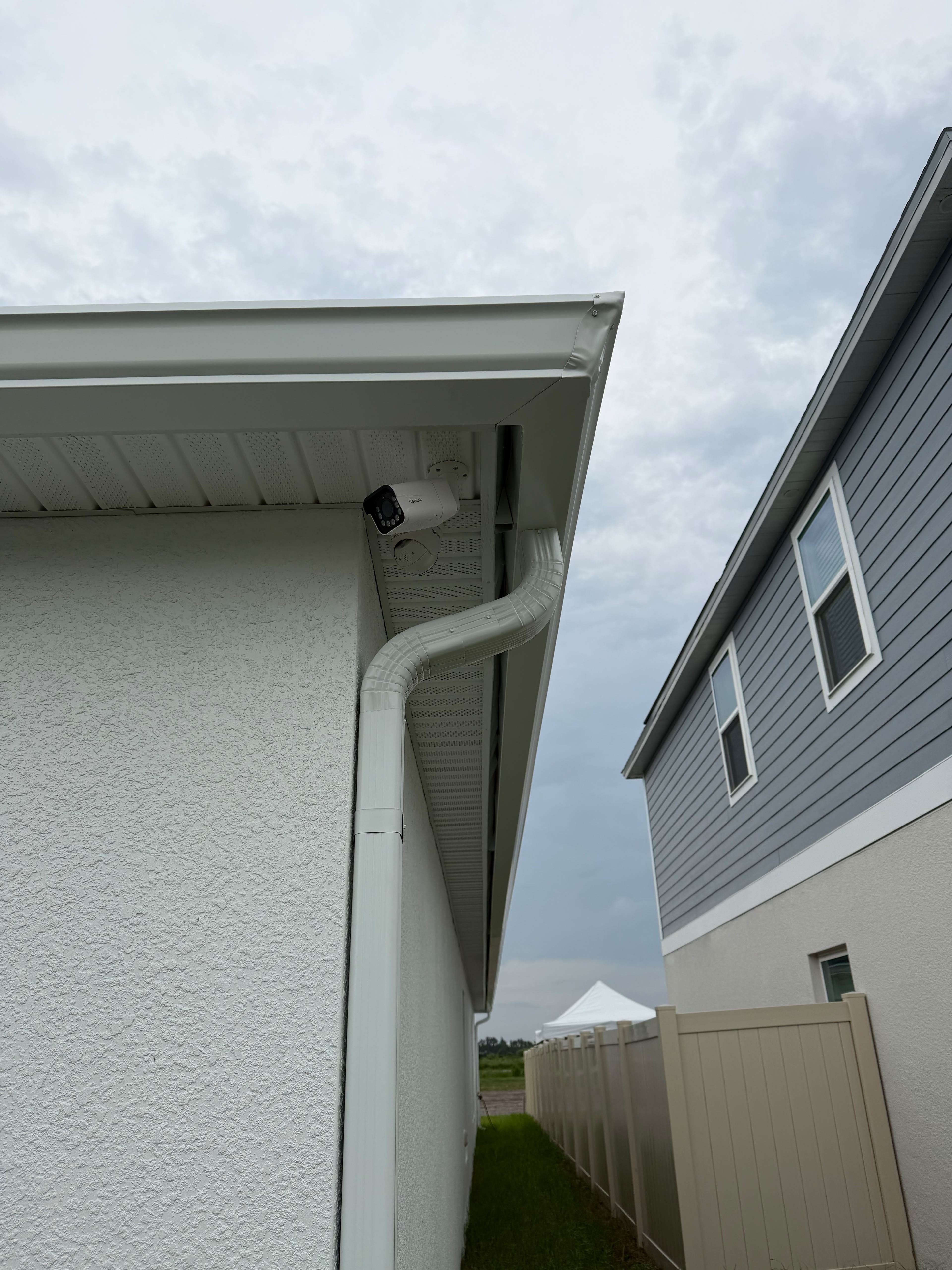
The final feet of a roof-water route deserve as much attention as the gutter itself. Learn what to inspect when downspout discharge creates splash, washout, or a persistent wet area.
READ THE GUIDE
The right question is not whether every roof edge needs a gutter. It is where water is creating a real property-management concern and which system can create the most deliberate route.
READ THE GUIDE
A durable gutter decision starts with the full roof-water route: where rain concentrates, what the gutter needs to carry, how the downspout exits, and where water can discharge at the individual property.
READ THE GUIDE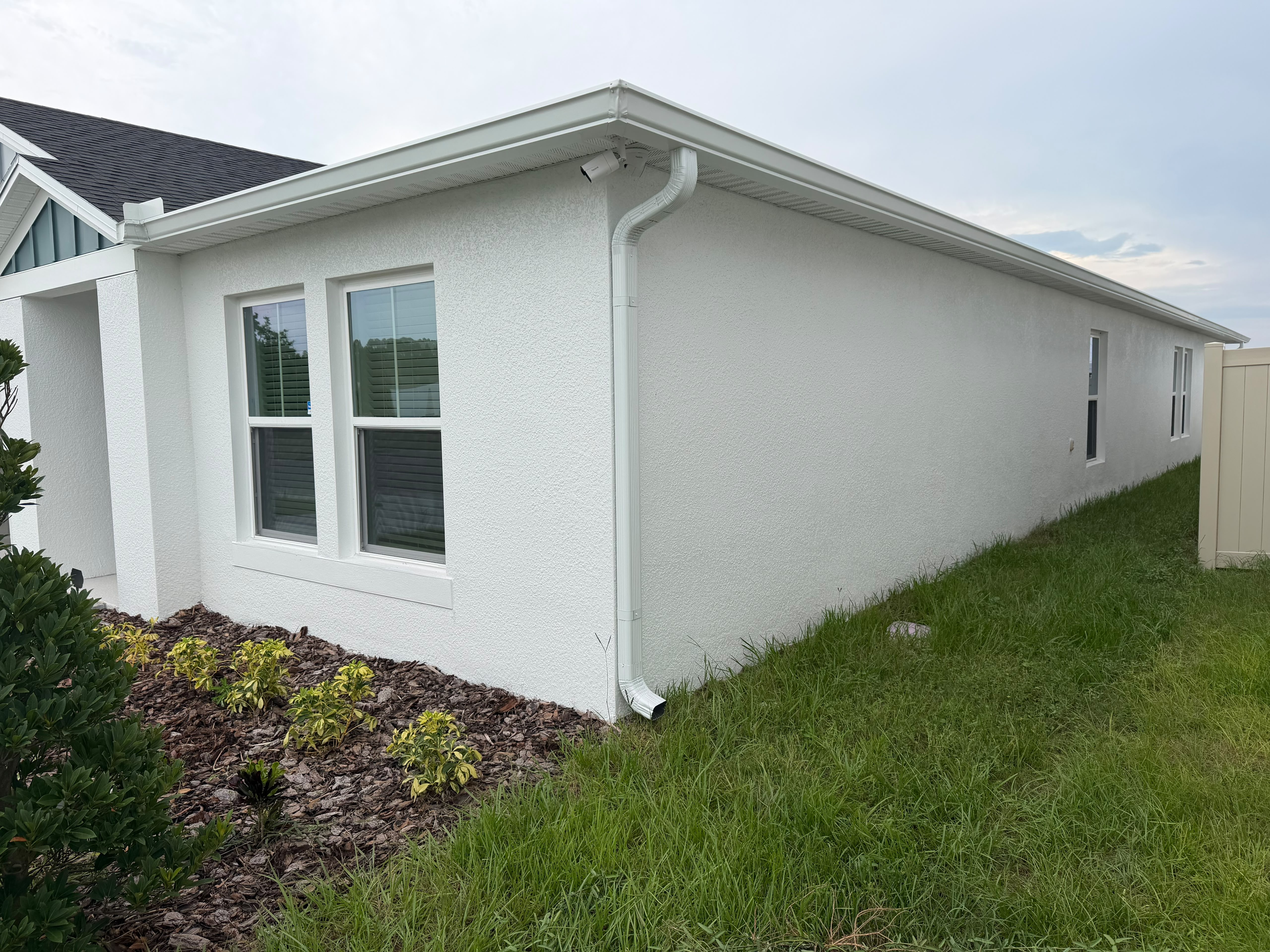
A useful Sarasota gutter estimate should clarify the property-specific scope: the roofline, system size, material, outlets, downspouts, access, existing conditions, and the visible details that will be installed.
READ THE GUIDE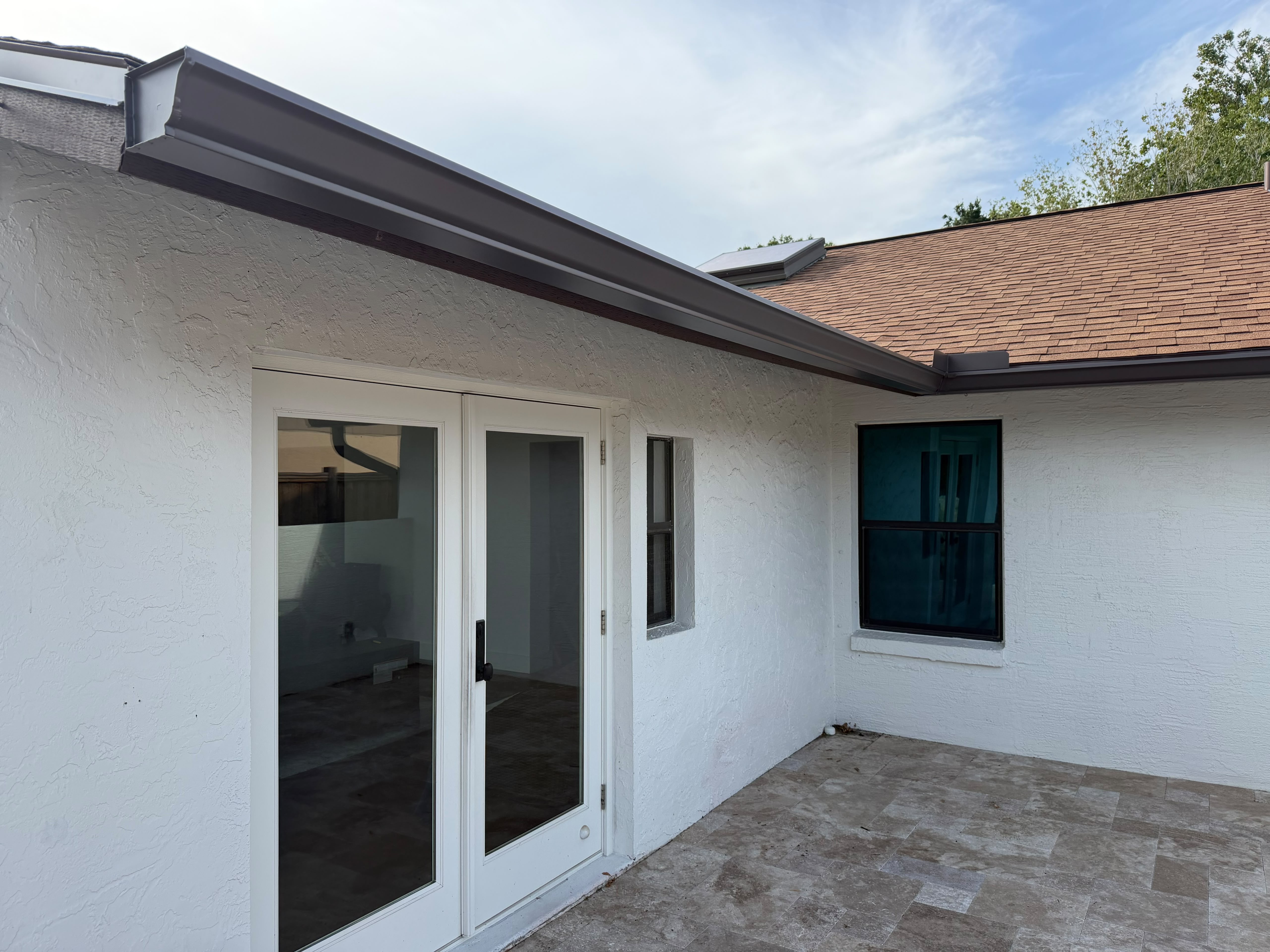
Six-inch seamless gutters are a premium residential standard for many Florida homes. Seven-inch systems can be appropriate where roof geometry, tile, valleys, steepness, or concentrated runoff create higher capacity demand.
READ THE GUIDEA repair can be appropriate for a limited, correctable condition. Replacement may be worth evaluating when the system’s capacity, layout, material condition, or repeated failure pattern no longer matches the property’s roof-water route.
READ THE GUIDEGutter guards can reduce debris entry and the frequency of cleaning for the right system and property. They do not eliminate maintenance, and guard selection should follow a review of nearby debris, roof geometry, outlets, and existing gutter condition.
READ THE GUIDESeamless gutters are custom-formed for the property’s roofline, creating long continuous runs with fewer joints than sectional assemblies. The right system still depends on profile, outlets, downspouts, fastening, roof geometry, and discharge planning.
READ THE GUIDESoffit and fascia help define a finished roof edge and can affect gutter attachment. Visible changes around the eaves are a reason to document conditions during a gutter assessment—not a basis for a remote diagnosis or a guarantee of the underlying cause.
READ THE GUIDETile-roof gutter planning should account for roof geometry, valleys, concentrated runoff, roof-edge details, access, gutter capacity, outlets, downspouts, and the property’s practical discharge route. The right system is assessed at the individual property.
READ THE GUIDE